
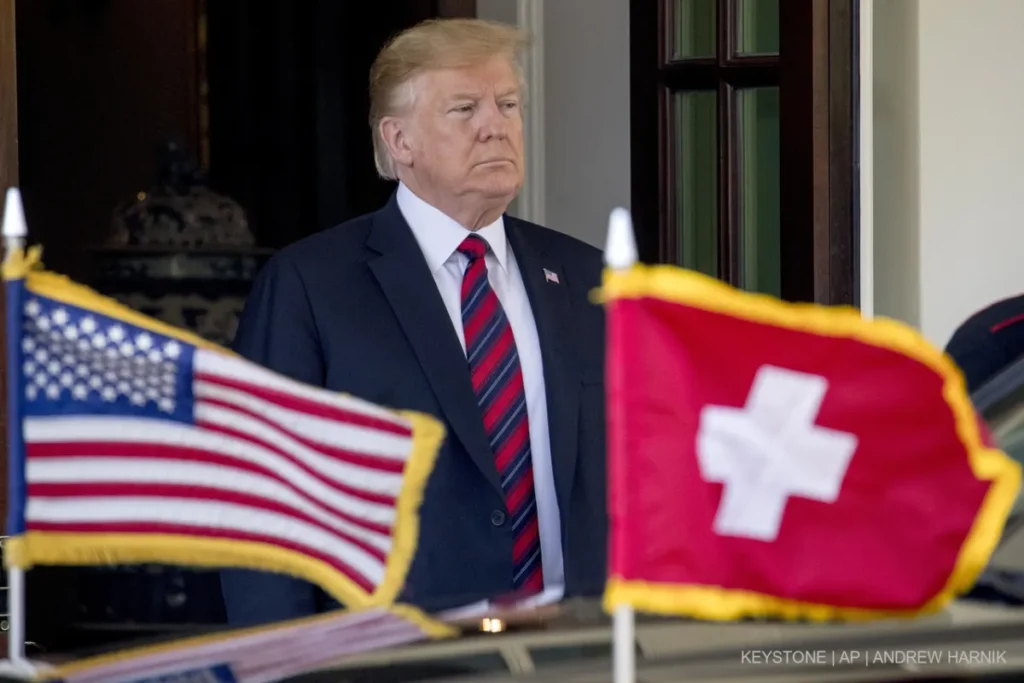
GENEVA: The United States is preparing to make a significant shift in its trade policy toward Switzerland, with plans to reduce its general tariff on Swiss imports from the current 39 percent to 15 percent as early as early December. The development was revealed by Swiss Economy Minister Guy Parmelin in an interview broadcast by Swiss public network SRF on Saturday, marking what could become one of the most meaningful tariff adjustments between the two countries in recent years.
The tariff reduction, if finalized, would represent a major breakthrough in U.S.–Swiss trade relations, which have experienced periods of strain in recent years due to broader shifts in global trade dynamics. Switzerland, whose export-driven economy relies heavily on access to major international markets, has long advocated for a fairer and more predictable tariff structure from the United States. Industries such as pharmaceuticals, machinery, precision instruments, chemicals, and luxury goods have been particularly impacted by the high tariff rate.
Speaking to SRF, Parmelin underscored the importance of the anticipated decision, noting that talks with U.S. officials have been ongoing for several months. “This adjustment would provide substantial relief to Swiss exporters and strengthen our economic ties,” he said. While he stopped short of confirming an exact date for implementation, he expressed confidence that the reduction could take effect in early December, pending final administrative steps in Washington.
A Strategic Shift in Bilateral Trade Relations
The expected reduction comes at a time when both Switzerland and the United States are re-evaluating their trade relationships in response to global economic uncertainty. The lingering effects of supply chain disruptions, geopolitical tensions, and shifts in manufacturing priorities have pushed many governments to revisit existing tariff structures.
For Switzerland, the tariff cut would help secure better market access to one of its most important trade partners outside Europe. The United States ranks among Switzerland’s top export destinations, particularly for pharmaceuticals—an industry that accounts for nearly half of Swiss exports globally. A reduction from 39 percent to 15 percent would significantly improve cost competitiveness for Swiss companies selling into the U.S. market.
Trade analysts say that the move may be tied to broader U.S. efforts to stabilize relationships with traditional economic partners, especially as global alliances shift and new economic blocs emerge. With growing competition from Asian and European manufacturers, a lower tariff on Swiss goods could also benefit American consumers and industries seeking high-quality Swiss components and technologies.
Impact on Swiss Industries
Among the industries expected to benefit most from the tariff reduction is Switzerland’s world-renowned pharmaceutical sector. Major Swiss companies—including some of the world’s largest drugmakers—export billions of dollars’ worth of medicines and medical technologies to the United States each year. Lowering the tariff is expected to reduce overall import costs, potentially making Swiss medicines more accessible and competitively priced in the American market.
The mechanical and engineering sectors, a backbone of Swiss manufacturing, are also likely to see meaningful gains. These industries rely on exports of specialized machinery, precision tools, and industrial equipment—products that have struggled under the previous 39 percent tariff burden. A shift to 15 percent would not only boost sales but create room for long-term investment in innovation and production capacity.
In addition, Swiss luxury watchmakers and high-end goods producers—symbols of Swiss craftsmanship—are poised to benefit. High tariffs have long been a barrier for smaller, boutique manufacturers trying to expand their presence in the U.S. A reduced tariff could help level the playing field and create opportunities for niche brands seeking to grow in North America.
Responses From the Business Community
Swiss industry groups responded positively to Parmelin’s announcement. The Swiss Business Federation (economiesuisse) issued a statement of cautious optimism, noting that a reduction of this scale could have “a transformative effect on export conditions” if implemented as described.
“The United States is a crucial partner for Swiss exporters,” the Federation said. “Any reduction in barriers strengthens our competitiveness and supports the stability of bilateral trade flows. We welcome the Minister’s update and look forward to confirmation from Washington.”
Individual companies have also expressed support, viewing the expected tariff cut as an opportunity to reclaim market share lost due to high import costs. Analysts believe that reduced tariffs could encourage Swiss companies to revisit expansion plans, invest more in U.S.-based operations, and accelerate their entry into emerging American market segments.
Procedural Steps Remaining in the United States
While Parmelin indicated confidence that the reduced rate could take effect soon, U.S. officials have yet to issue a formal public announcement. Trade adjustments of this magnitude typically require a series of administrative reviews, inter-agency consultations, and publication in official government registers before becoming enforceable.
According to trade experts, the fact that the Swiss minister publicly disclosed the expected timeline suggests that negotiations have reached an advanced stage. However, the final decision ultimately rests with U.S. authorities, who must ensure that the change aligns with domestic economic goals, legal frameworks, and ongoing trade priorities.
Broader Global Context
The anticipated tariff reduction also comes as countries across the world face economic pressures related to inflation, slowing growth, and geopolitical uncertainties. International trade organizations have encouraged nations to reduce trade barriers in order to stabilize supply chains and support global recovery.
For Switzerland, which maintains a policy of close engagement with global markets while remaining outside the European Union, such bilateral improvements carry significant weight. The country has consistently ranked among the world’s top exporters per capita, relying heavily on open trade policies, innovation, and high industrial productivity.
For the United States, revisiting tariffs is part of a broader strategy to strengthen economic ties with key partners as it balances trade competition with emerging economic powers. The move to ease tariffs on Swiss imports could also signal greater willingness to negotiate similar adjustments with other allied nations.
Looking Ahead
If the tariff reduction is finalized in early December, as Parmelin suggested, Swiss exporters may begin to feel the effects almost immediately. Lower costs at the border could translate into improved pricing, higher sales volumes, and strengthened partnerships with U.S. distributors and consumers.
Economists caution, however, that the full benefits of such a policy change would unfold over time. Companies may need several months to adjust pricing strategies, renegotiate contracts, or reconfigure supply chains. Nevertheless, the announcement marks an encouraging milestone for both Swiss industry and the broader trade relationship between the two nations.
As Switzerland awaits official confirmation from Washington, optimism continues to grow within its business community. Should the U.S. proceed as expected, the tariff shift could set the tone for renewed cooperation, increased economic exchange, and a more dynamic future for U.S.–Swiss trade relations.