
Potentially Crippling Port Strike Averted After Dockworkers, Ports, and Shipping Companies Reach a Tentative Deal
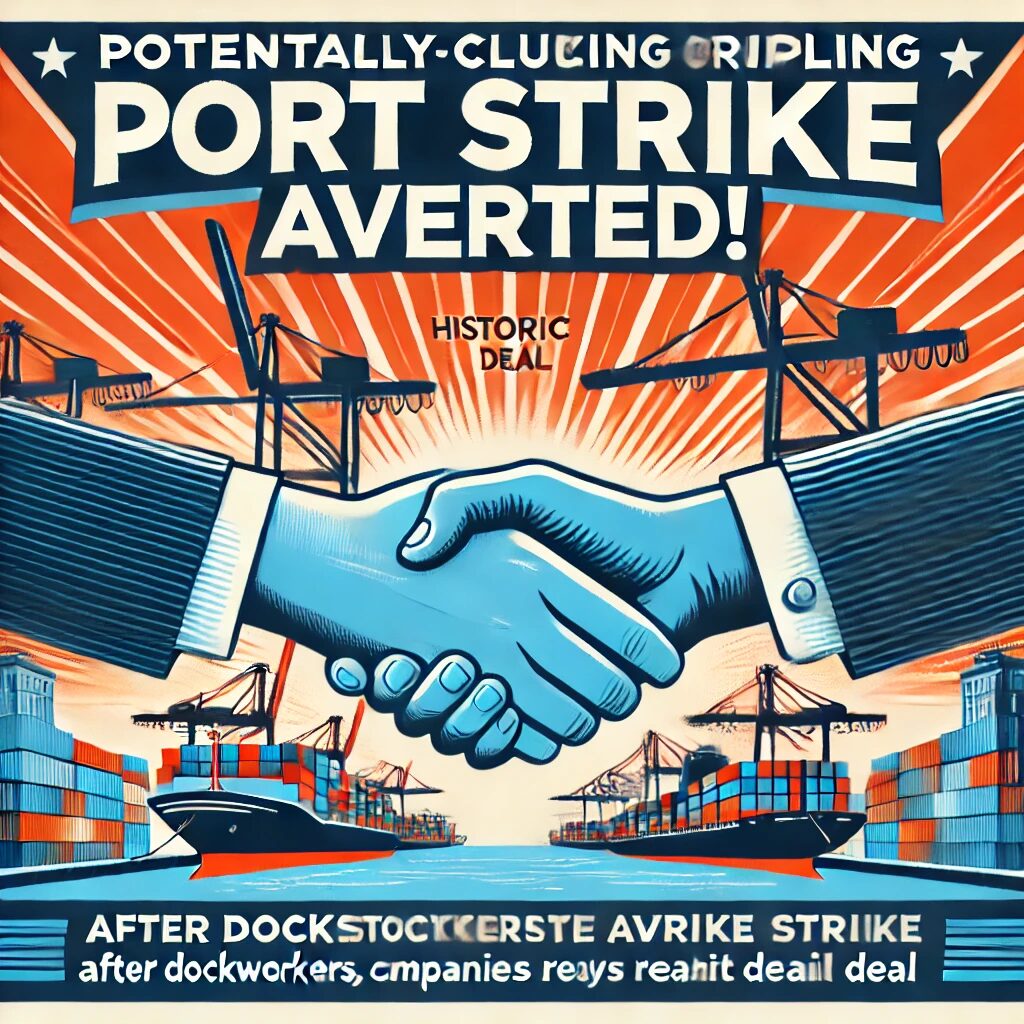
In a major relief to global trade and economic stability, a potentially devastating port strike has been averted. After weeks of intense negotiations, dockworkers, port authorities, and shipping companies reached a tentative agreement that promises to restore confidence in the supply chain. The deal, though still pending final ratification, signifies a significant step toward resolving labor disputes that threatened to paralyze critical trade hubs.
Background of the Dispute
The looming strike arose from a complex set of disagreements between dockworkers and their employers over wages, working conditions, and job security. Ports are critical nodes in the global supply chain, handling the vast majority of goods transported internationally. Any disruption at these facilities could ripple across industries, leading to shortages, increased costs, and delays.
For months, tensions escalated as union representatives demanded fairer compensation and better working conditions, citing the essential role dockworkers played during the COVID-19 pandemic. Port operators, on the other hand, pointed to rising operational costs and competitive pressures in the shipping industry. The stakes were incredibly high, as a strike would have crippled the movement of goods, impacting everything from food and medical supplies to consumer electronics and automotive parts.
The Negotiation Process
The negotiation process was arduous, involving multiple rounds of talks facilitated by mediators. Both sides were under immense pressure to avoid a strike, given the fragile state of global supply chains recovering from pandemic-related disruptions. Governments and business leaders closely monitored the situation, urging parties to find common ground.
Key sticking points included:
- Wages and Benefits: Dockworkers argued for pay increases that reflected inflation and the physical demands of their jobs.
- Automation Concerns: The introduction of automated systems at ports has been a contentious issue, with unions fearing job losses and reduced bargaining power.
- Health and Safety: Workers emphasized the need for better safety measures and support, especially in the context of hazardous working conditions.
After marathon sessions, a breakthrough was finally achieved. Mediators played a crucial role in bridging the gap, crafting a framework that addressed the core concerns of both parties while ensuring the operational viability of ports.
Key Provisions of the Tentative Deal
While the details of the agreement are yet to be fully disclosed, several provisions have been highlighted:
- Wage Adjustments: Dockworkers will receive incremental wage increases over the next five years, aligning with inflation rates and economic growth.
- Job Security: The agreement includes safeguards against job losses due to automation, with commitments to retraining programs for affected workers.
- Enhanced Safety Standards: Ports will implement stricter safety protocols, ensuring a healthier and more secure work environment.
- Joint Committees: To address future disputes proactively, joint committees comprising union representatives and port management will be established.
Implications of the Averted Strike
The successful resolution of this dispute has far-reaching implications for various stakeholders:
1. Global Trade Stability
A port strike would have had catastrophic effects on global trade. Ports are pivotal in the supply chain, and their disruption could have caused severe delays in the delivery of goods, exacerbating inflation and straining businesses. By averting a strike, the agreement ensures the continuity of operations, safeguarding economies worldwide.
2. Strengthening Labor Relations
The deal sets a precedent for constructive labor relations. It demonstrates that even in highly contentious disputes, dialogue and compromise can yield mutually beneficial outcomes. This approach may inspire other industries to adopt similar frameworks for resolving labor issues.
3. Economic Recovery
As the global economy continues to recover from the pandemic, avoiding a port strike prevents another major setback. Industries reliant on just-in-time supply chains, such as automotive and electronics, can breathe a sigh of relief knowing that their operations won’t face additional disruptions.
4. Technological Integration
The compromise on automation highlights the delicate balance between embracing technology and protecting jobs. The agreement’s provisions for retraining programs could serve as a model for integrating automation while mitigating its impact on the workforce.
Lessons Learned
The resolution of this potential crisis offers several lessons:
- Proactive Mediation: The role of mediators in fostering trust and facilitating dialogue cannot be overstated. Their involvement was instrumental in breaking the deadlock.
- Stakeholder Engagement: Engaging all stakeholders—workers, employers, and governments—is essential in addressing complex issues like labor disputes.
- Long-Term Vision: Agreements must address immediate concerns while laying the groundwork for sustainable labor relations in the future.
Looking Ahead
While the tentative agreement marks a significant milestone, it is not the end of the road. The deal must be ratified by union members, and its implementation will require careful monitoring. Additionally, the underlying challenges of wage disparities, automation, and workplace safety remain ongoing issues that require continued attention.
For dockworkers, this agreement represents a validation of their contributions and sacrifices. For port operators and shipping companies, it offers a pathway to operational stability and growth. And for consumers, it ensures that shelves remain stocked and products remain accessible.
The resolution of this dispute underscores the importance of collaboration and compromise in navigating complex challenges. As industries worldwide grapple with evolving demands and uncertainties, this episode serves as a reminder of the value of collective action and shared commitment to progress.
Conclusion
The tentative agreement to avert a crippling port strike is a win for all parties involved. It showcases the power of negotiation and the potential for meaningful solutions to seemingly intractable problems. While challenges remain, the spirit of cooperation demonstrated in these negotiations offers hope for the future.
As the global economy continues to evolve, the ability to adapt, innovate, and collaborate will be key to overcoming hurdles and ensuring prosperity for all. This agreement is not just a resolution—it’s a testament to what can be achieved when people come together to tackle shared challenges.